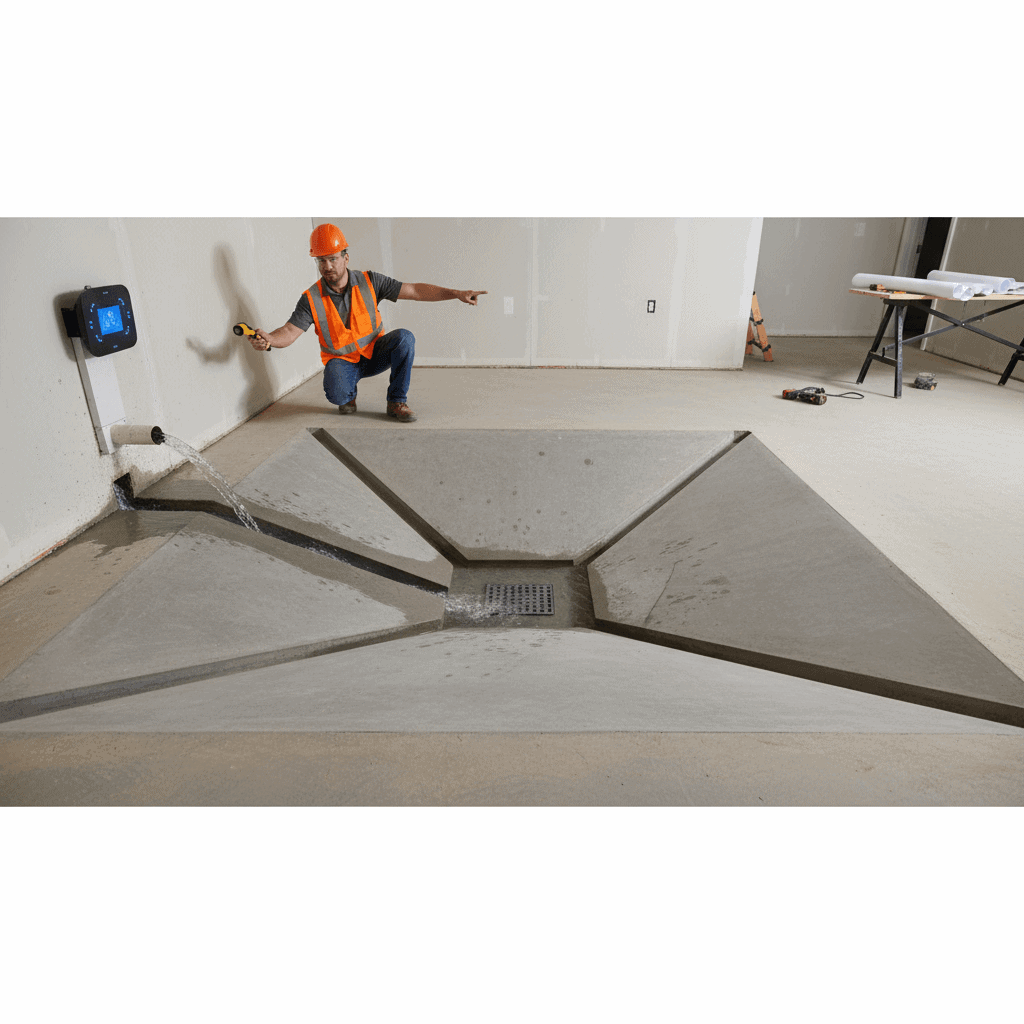
As a homeowner, I have seen firsthand the devastating effects water damage can have on a property. It starts subtly, a small puddle in the basement or a damp patch on a wall, but it can quickly escalate into a major issue. Water damage does not just ruin personal belongings and finishes, it also poses a serious threat to the structural integrity of a home.
Many homeowners focus on interior plumbing or roofing when thinking about water prevention. But I find that one critical defense often goes overlooked. This defense is effective floor grading around your home. It acts as a primary barrier against water intrusion.
Learning how to effectively Stop Water Damage With Smart Floor Grading is a proactive step that protects your investment and ensures your peace of mind. I want to share insights into how proper exterior land shaping can make all the difference for your home’s longevity.
Understanding Smart Floor Grading and Its Purpose
Floor grading, also known as land grading or yard grading, refers to shaping the ground around your home. Its main purpose is to control the flow of rainwater and melting snow. I always explain that the goal is to direct water away from the foundation. This prevents it from pooling and seeping into the structure.
Think of it as creating a gentle slope that acts like a natural waterslide for water. Water will follow the path of least resistance. You want that path to be away from your house, not towards it. A well-designed grade ensures that surface water drains efficiently.
This simple yet powerful concept is a foundational defense. It works against hydrostatic pressure, mold growth, and costly structural damage. Neglecting it can lead to constant battles with damp basements and compromised foundations.
The Basics of Proper Slope and Drainage
The standard recommendation for proper grading is a minimum slope of 6 inches over the first 10 feet away from the foundation. This creates enough of a decline for water to flow freely. If your yard has less than this slope, water can easily accumulate against your home.
I also stress the importance of clear drainage paths. Downspouts and gutters play a major role in collecting rainwater from the roof. They need to extend far enough away from the house to deposit water onto the properly graded soil. If your downspouts empty right next to the foundation, even good grading might not be enough to prevent saturation.
Consider the soil type as well. Clay soil drains slowly, so it might need a steeper grade or additional drainage solutions. Sandy soil drains faster, but it still needs to be directed correctly. Understanding these basics is the first step in protecting your property. We can learn more about proper home floor grading and its importance.
Early Warning Signs of Poor Floor Grading Issues
Ignoring the subtle signs of poor floor grading can lead to significant headaches down the road. I always advise homeowners to be observant. Look for visible water pooling near the foundation after a rain shower. If you see standing water, even small puddles, that is a red flag indicating water is not draining away properly.
Another major indicator is the condition of your foundation. Cracks in basement walls or the foundation itself can be a direct result of soil expansion and contraction due to excessive moisture. When water saturates the soil around your foundation, it exerts pressure. This pressure can cause the foundation to shift or crack over time.
Indoors, be alert to musty odors, especially in basements or crawl spaces. These smells are a strong sign of mold or mildew growth. This growth thrives in damp environments created by water seeping through walls or floors. Peeling paint or warped flooring near exterior walls also point to moisture problems.
Interior Indicators of Water Damage
I have encountered many homes where interior signs were dismissed as minor cosmetic issues. But these small problems were actually symptoms of a larger water intrusion issue from poor grading. For example, efflorescence, a white powdery substance on concrete or masonry walls, indicates that water is passing through the material and leaving mineral deposits.
Warped baseboards or floorboards near the perimeter of your home can also be a sign. This happens because wood absorbs moisture from damp foundations. Even unexplained high humidity levels in your basement can signal an underlying grading problem. These interior clues are your home telling you that its exterior defenses are failing. Paying attention to these subtle hints can help you address the root cause before it turns into a very expensive repair job.
How Smart Floor Grading Directly Prevents Foundation Problems
The foundation is the most critical part of any home. It supports the entire structure. Poor floor grading directly threatens this stability. When rain or meltwater pools around the foundation, it saturates the surrounding soil. This saturated soil becomes heavy and expands, creating what we call hydrostatic pressure against your foundation walls.
This constant pressure is a major culprit behind foundation cracks and bowing walls. I have seen homes where continuous water exposure led to significant settlement issues. This happens because water washes away soil over time, or the saturated soil loses its ability to support the weight above it. The foundation then sinks unevenly.
The repair costs for foundation damage are incredibly high. They often involve complex excavation, structural reinforcement, and extensive labor. Investing in smart floor grading is a preventative measure. It saves homeowners from these financially crippling structural repairs. It ensures that the soil around your foundation remains at a consistent moisture level. This helps maintain its stability and integrity for years.
The Benefits of Proactive Water Management
Embracing smart floor grading offers a wide range of benefits beyond just preventing immediate water damage. Proactive water management significantly increases your property’s value. A home with a sound, dry foundation and proper drainage is much more attractive to potential buyers. It suggests a well-maintained property and saves future owners from potential headaches.
Beyond finances, there are significant health benefits. Preventing water intrusion means preventing mold and mildew growth. These can trigger allergies, asthma, and other respiratory issues for residents. A dry home promotes a healthier living environment for everyone.
I always emphasize the long-term cost savings. Minor grading adjustments are far less expensive than repairing a flooded basement or a damaged foundation. Think of it as insurance for your biggest investment. This approach reduces wear and tear on your home’s exterior components too. It extends the life of paint, siding, and landscaping near the foundation. The peace of mind that comes with knowing your home is protected from the elements is truly invaluable.
Enhancing Landscape and Curb Appeal
Smart floor grading is not just about function; it can also enhance the beauty of your property. When performed correctly, grading can create attractive contours in your yard. It can be integrated with landscape design to create functional and aesthetically pleasing outdoor spaces. For instance, gentle slopes can lead to rain gardens or dry creek beds. These elements manage water while adding visual interest.
I find that homeowners appreciate how a well-graded yard prevents erosion, keeping topsoil in place and protecting garden beds. This maintains the neat appearance of your lawn and garden. It shows pride of ownership. By thinking about grading as part of your overall landscape plan, you can protect your home and boost its curb appeal at the same time.
Practical Steps to Stop Water Damage With Smart Floor Grading
Taking action to improve your home’s floor grading does not always require a massive overhaul. There are practical steps you can take, starting with a professional assessment. I suggest having an expert evaluate your property’s current grading and drainage. They can identify specific problem areas you might overlook. They can also recommend tailored solutions for your unique landscape.
For DIY enthusiasts, simple improvements can make a big difference. Regularly clean your gutters and ensure they are free of debris. Clogged gutters can overflow, dumping water right next to your foundation. Extend your downspouts so they discharge water at least 5 to 10 feet away from the house. You can buy flexible extenders at any hardware store.
Another step is to consider adding impervious surfaces near the foundation. These surfaces could be concrete walkways or patios that slope away from the house. This helps guide water away. Make sure garden beds around the foundation are properly sloped and do not create areas where water can collect.
Implementing Effective Ground Sloping
If you need to reshape the ground, you can use several materials. Adding topsoil is a common method for creating gentle slopes. Make sure to compact the soil slightly to prevent excessive settling. For more defined edges or higher traffic areas, gravel or concrete can be used. These options offer durable, water-resistant surfaces that effectively direct runoff.
When bringing in soil, I always advise homeowners to use a mixture that drains well. You should avoid heavy clay soils for this purpose. These soils might hold water rather than shedding it. Always remember the minimum 6-inch drop over 10 feet. It is a crucial measurement for effective sloping.
A good understanding of your property’s existing contours will guide your efforts. Sometimes, just a few yards of well-placed soil can solve significant drainage problems. But for more complex issues, professional help is often the most efficient and effective route.
When to Call the Professionals for Grading Solutions
While some minor grading adjustments are manageable for the average homeowner, certain situations absolutely warrant calling in the experts. I always tell my clients that if you are dealing with persistent water issues despite your best DIY efforts, it is time for professional intervention. They have the specialized equipment and knowledge to diagnose and fix complex drainage problems.
Major regrading needs, such as completely reshaping your yard or addressing severe slopes, are best left to professionals. This work involves heavy machinery and a deep understanding of hydrological patterns. An expert can design a comprehensive plan that accounts for soil types, existing landscape features, and local building codes.
If your property has a high water table or if you suspect issues with your underground drainage systems, a professional assessment is crucial. They can implement advanced solutions like French drains, catch basins, or sump pumps where necessary. These systems redirect large volumes of water effectively. Seeking professional help ensures the job is done right the first time. It provides a lasting solution to protect your home.
Securing Your Home’s Future Against Water Damage
Learning how to Stop Water Damage With Smart Floor Grading is a powerful way to protect your home. It goes beyond fixing problems as they arise. This approach is about building robust defenses that safeguard your property’s value, structural integrity, and the health of your family. I have seen the peace of mind that comes from knowing your home is well-protected against water. It truly is invaluable.
From understanding the basic principles of proper slope to recognizing the early warning signs of grading issues, every step you take brings you closer to a drier, safer home. Remember that even small adjustments can make a significant difference. Regular inspections and maintenance of your grading are key to long-term protection.
So I encourage you to take a critical look at your property’s grading today. Assess how water flows during the next rainstorm. If you notice pooling or any other concerning signs, do not hesitate to act. Whether you tackle minor improvements yourself or bring in professionals for larger projects, prioritize smart floor grading. It is a smart investment in your home’s future and will provide lasting benefits.